

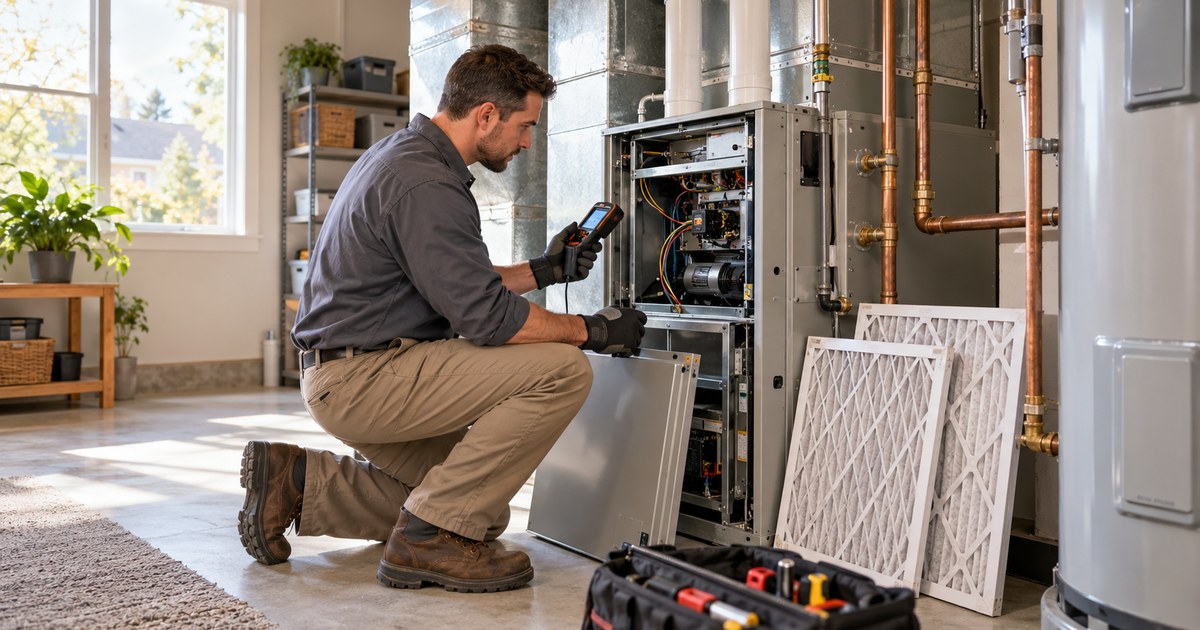
Maintaining peak performance of your HVAC (Heating, Ventilation, and Air Conditioning) system is not just about comfort; it's about efficiency and cost-effectiveness. As heating and cooling systems consume a significant portion of energy in homes and businesses, optimizing their performance is crucial. Regular HVAC Tune-Up Services are essential in ensuring your system runs efficiently, reducing energy consumption and extending the lifespan of your equipment. This article explores how these services improve energy efficiency, the key components involved, signs that indicate a need for a tune-up, and the long-term savings you can achieve.
How Regular HVAC Tune-Up Services Enhance Energy Efficiency
Regular tune-ups are vital for enhancing the energy efficiency of HVAC systems. An HVAC system that operates efficiently not only reduces energy bills but also lessens environmental impact. According to the U.S. Department of Energy, replacing a dirty, clogged filter can lower an air conditioner's energy consumption by 5% to 15%. During a tune-up, technicians check and clean components such as filters, coils, and blowers to ensure optimal airflow and performance. Furthermore, technicians can recalibrate thermostats and inspect ductwork for leaks, which can significantly impact efficiency. ENERGY STAR estimates that in a typical house, 20 to 30 percent of the air moving through the ducts is lost to leaks, holes and poor connections. By addressing these issues during a tune-up, you can ensure that your HVAC system operates at its highest efficiency level. To enhance efficiency further, consider regular HVAC Tune-Up Services, which play a significant role in maintaining optimal performance.
Key Components of an HVAC Tune-Up Service
An HVAC tune-up service typically involves a comprehensive checklist to ensure all system components function properly. Key components include checking the system's refrigerant levels and adjusting them as necessary. Refrigerant plays a critical role in the cooling process, and incorrect levels can drastically reduce system efficiency.
Another essential component is the examination of the electrical connections within the system. Poor connections can lead to unsafe operation and reduced lifespan of the equipment. Technicians also inspect and clean the evaporator and condenser coils, which, if dirty, transfer heat poorly and make the system run longer.
Moreover, a professional tune-up will also involve checking the system's controls and ensuring that they operate correctly.
Signs Your HVAC System Needs a Professional Check-Up
Recognizing the signs that your HVAC system needs a professional check-up can prevent minor issues from escalating into major problems. One common sign is an increase in energy bills without a corresponding increase in usage, indicating that the system is working harder than necessary. Unusual noises or cycling on and off frequently are also indicators that a tune-up is needed.
Long-Term Savings from Routine HVAC Maintenance
Investing in regular HVAC maintenance can lead to significant long-term savings. By maintaining efficient operation, routine tune-ups help reduce the total cost of ownership over the system's lifespan. For instance, addressing minor issues during a tune-up can prevent costly repairs or premature system replacement.
Furthermore, systems that receive regular tune-ups tend to have longer lifespans, delaying the need for expensive replacements. By scheduling regular maintenance, you ensure that your HVAC system remains reliable and efficient, ultimately saving money in the long run.
Conclusion
Regular HVAC Tune-Up Services are essential for maintaining system efficiency, reducing energy consumption, and achieving cost savings. By addressing common issues such as refrigerant levels, electrical connections, and airflow, tune-ups enhance performance and extend the lifespan of your HVAC system. For businesses and homeowners alike, investing in routine maintenance is a strategic decision that promotes operational efficiency and long-term financial savings.