

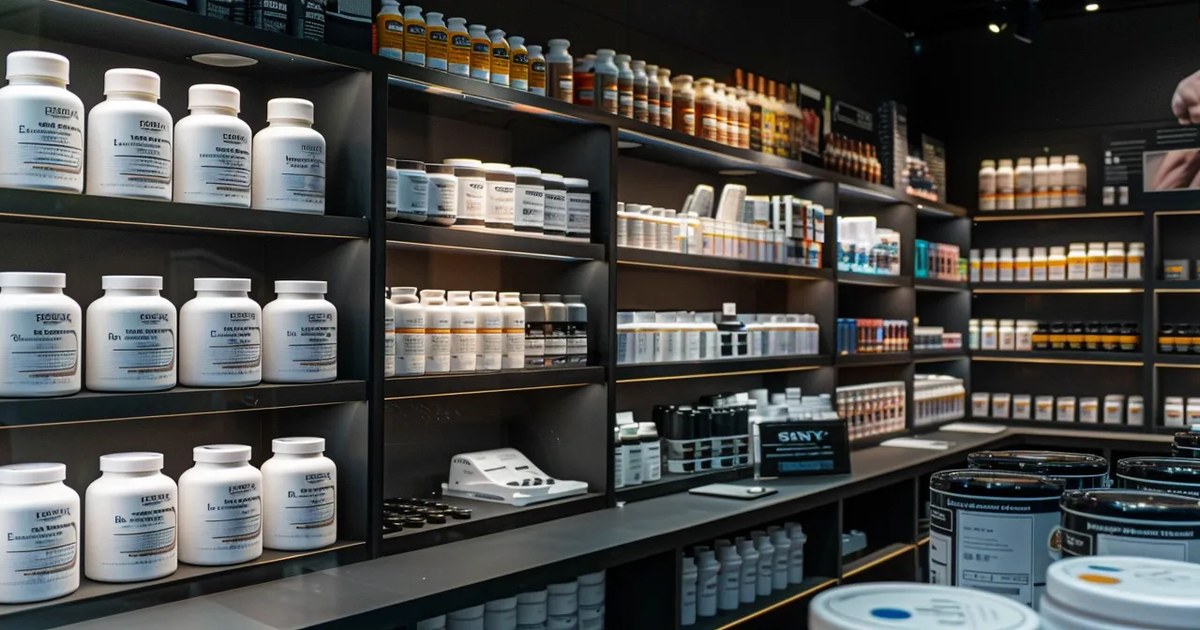
Peptides are a crowded market and a poorly regulated one, which is a bad combination when a laboratory is staking its results on the contents of a vial. The difference between a compound that matches its label and one that is underdosed, contaminated or something else entirely is invisible at the point of purchase. It shows up later, in data that cannot be reproduced. This is a practical guide to sourcing research peptides without fooling yourself. These compounds are sold for laboratory research, not for human use.
Know What You Are Buying
Each peptide in circulation has a specific studied effect, and the marketing routinely blurs them together. Growth hormone secretagogues, BPC-157, TB-500 and the GLP-1 related compounds do different jobs and rest on different evidence. Read the published research on the one you are considering before reading the vendor's description of it, because the vendor's version leaves out the part where the evidence is thin or comes entirely from animal work.
Peptides for Sale from a research supplier should come with a certificate of analysis for the batch you are receiving, showing identity and purity. A generic specification sheet that is not tied to your lot tells you nothing about what is in your vial. If a vendor will not produce batch-level testing, that is the answer.
Judging a Supplier
Price is the worst signal available. Synthesizing and testing peptides properly costs money, so a price far below the rest of the market is saved somewhere, usually in the testing. Look instead for three things: third-party testing you can verify rather than an in-house claim, consistent labeling with lot numbers, and storage and shipping that keeps the material cold where it needs to be.
The published literature is the other check. Compare a vendor's claims against peer-reviewed sources on the same compound. Where the claim goes past the evidence, you are reading advertising.
Handling Material So It Stays What You Paid For
Peptides degrade, and careless handling mimics a weak product. Keep lyophilized vials cool, dry and protected from light. Once a vial is reconstituted for an experiment, refrigerate it, record the date, and discard it on the stated schedule rather than when it happens to be empty. Never freeze and thaw the same aliquot repeatedly.
Label everything with the compound, the concentration and the date it was mixed. Guessing the strength of an unlabeled tube weeks later is how dosing errors enter a dataset, and those errors get blamed on the compound. The general guidance on peptide handling and storage from established suppliers is a sound baseline for a lab protocol.
Keeping the Experiment Interpretable
- Change one variable at a time. Introducing several new compounds at once guarantees you cannot tell which one produced an effect.
- Hold the concentration steady. Changing it every run makes every result uninterpretable.
- Record the lot number alongside the data, so any result can be traced back to a specific tested batch.
Red Flags When Buying
Some warning signs are reliable enough to walk away on immediately. A vendor implying the compound is approved for human use is misrepresenting its regulatory status. A label without a lot number cannot be tied to any test. A certificate of analysis that is undated, or that names a different compound than the vial, is worthless. A price that undercuts every reputable supplier by half was saved somewhere, usually on testing or purity.
The market is large enough that a lab can choose a supplier who documents what it sells. The money saved on a cheap vial is trivial beside the cost of a study run on material you cannot identify. Demand the paperwork, check it, and file it with the experiment log so every result traces back to a known batch.
Verifying Instead of Trusting
Documentation is a claim, and claims can be spot-checked. Periodically send a vial to an independent laboratory and compare the result with the supplier's certificate. The cost is small against the cost of a compromised study, and suppliers who know their buyers verify behave differently from suppliers who know nobody checks.
Keep those comparisons. Over several orders they show whether a supplier's quality is consistent or drifting, which no single certificate can tell you. Consistent results earn a supplier more of your orders. Drifting results are the point at which you test the next shipment before using it, or move on. Buy verified material, log the batch, and let the paperwork earn the trust rather than the website.
Receiving and Logging a Shipment
Treat arrival day as part of the experiment. Before the vials go into storage, check the seals, confirm the lot number matches the certificate, note the shipping conditions, and photograph the labels. File the certificate where the people running the experiments can find it, not in someone's email. Then record the quantity added to inventory so the books match the freezer.
Set the discard date at the same time and put it where it will be seen. Material used past its date does not announce itself; it just quietly degrades the data. A labeled box and a calendar entry cost nothing and prevent the most common failure in peptide work, which is not fraud but forgetfulness.
When the vials run out, close the loop. Note what was consumed, what was discarded, and which experiments drew on the lot. That record is what makes the next order smarter than this one, and it is the difference between a lab that can explain its materials and one that can only shrug.
Comparing Suppliers on Paper
Build the comparison in a table rather than in your head. For each candidate supplier, record whether they provide batch-specific certificates, whether the testing lab is independent and named, whether lot numbers appear on vials, how material is shipped, what the lead time is, and the price per vial at the quantity you actually use. Score documentation first and price last.
Order a small test shipment from the top two and run the same checks on arrival. Packaging, cold packing, seal integrity, label accuracy and whether the certificate matches the lot will separate them quickly. The supplier who handles the small order carefully will usually handle the large one carefully. The reverse is not reliably true, which is why the test order should come before the commitment.
Repeat the comparison annually. Suppliers change, prices move and quality drifts. A choice that was correct last year earns its renewal only if it still wins the table this year.
Keeping the Inventory Honest
Count what is in storage against what the records say, on a schedule. Discrepancies mean vials were used without being logged or logged without arriving, and either one breaks the chain between a result and its materials. A short monthly reconciliation keeps the record trustworthy, which is the whole reason to keep one. The lab that can say exactly which lot went into which experiment is the lab whose data survives scrutiny.
Setting the Lab's Standard
Write the purchasing rules down once so every order follows them regardless of who places it. Require a batch-specific certificate, a matching lot number, named test methods and a named laboratory. Require cold-appropriate shipping and an inspection on arrival. Orders that do not meet the standard wait until they do, however urgent the experiment feels.
Urgency is when standards get waived, and waived standards are how untested material enters a study. Build lead time into project plans so the shipment is never the crisis. A lab that orders a week earlier ships nothing questionable. One that orders the night before ships whatever will arrive.
Reviewing Suppliers Each Year
Put every supplier the lab uses through the same comparison annually: documentation quality, independent-test agreement, shipping condition, responsiveness and price at the quantities you actually buy. Drop the bottom of the list even if nothing dramatic went wrong. Quality declines gradually, and a yearly review catches the drift while it is still small.
Share the results with the people who order. A standard that lives in one person's head disappears when they are away. A standard written down and revisited keeps the lab's materials trustworthy no matter who is at the bench, which is the entire point of having one.